We moved to Melbourne in
August 2010. Since then, as well as enjoying the hospitality of our hosts we’ve
looked longingly across the Tasman at the neighbours across the bay and
wondered what their place was like. So in the last few years as we’ve slowly
ticked through each of the Australian states, New Zealand has stood out as a
glaring omission on our résumé. Now in 2015, we remedy that!
We moved to Melbourne in
August 2010. Since then, as well as enjoying the hospitality of our hosts we’ve
looked longingly across the Tasman at the neighbours across the bay and
wondered what their place was like. So in the last few years as we’ve slowly
ticked through each of the Australian states, New Zealand has stood out as a
glaring omission on our résumé. Now in 2015, we remedy that!
On planning our trip,
one of the things we realized early on was that there was so much to do and
see. All amazing things but it was often hard to figure out any hierarchy- in
Australia you’d have Sydney harbour, Great Barrier Reef and Ayers Rock as
probably the big three. In New Zealand, there seemed to be 25 things to see and
do with some people doing some things, some doing others but with no real must
see sights. We got sample itineraries from three friends- all did completely
different things; all saw different sites and all had absolutely amazing times!
We had given ourselves four weeks and planned on that basis splitting our time
fairly evenly between north and south islands.

Our first stop was
Auckland, the biggest city (but not the capital)- a nice place to walk around,
most of the action as far as we could see was outside of the central area-
Devonport, Mount Eden, Ponsonby. A nice stop, relaxing and perfect for getting
over our terrible jetlag, we’d always heard it was worst going East to West but
how we felt after our Hong Kong to Auckland flight put that one completely to
bed- we felt like we’d just stumbled out of a tumble dryer! One afternoon to
morning sleep thankfully got rid of most of it along with a dose of Auckland
hospitality. After that it was time to pick up our rental car and hit the road-
off to the Bay of Islands we go.

As the name helpfully
suggests, Bay of Islands is a bay full of islands in the north of the north
island- it’s a beautiful area of the country. As the name also suggests, a
rental car will only get you so far around here! So, we traded in the rental
car for a day and hopped on board a catamaran to see some more of these
islands. Great way to spend a day and lovely way to sail through and around
lots of the islands. Lots of other great things to see and do in this area (as
there seems to be in every area of New Zealand) as we spent a day driving to
the lighthouse at Cape Reinga, Ninety mile beach and going sandboarding down
some huge sand dunes out there. Definitely a great way to start our time in New
Zealand.
 After that, we headed
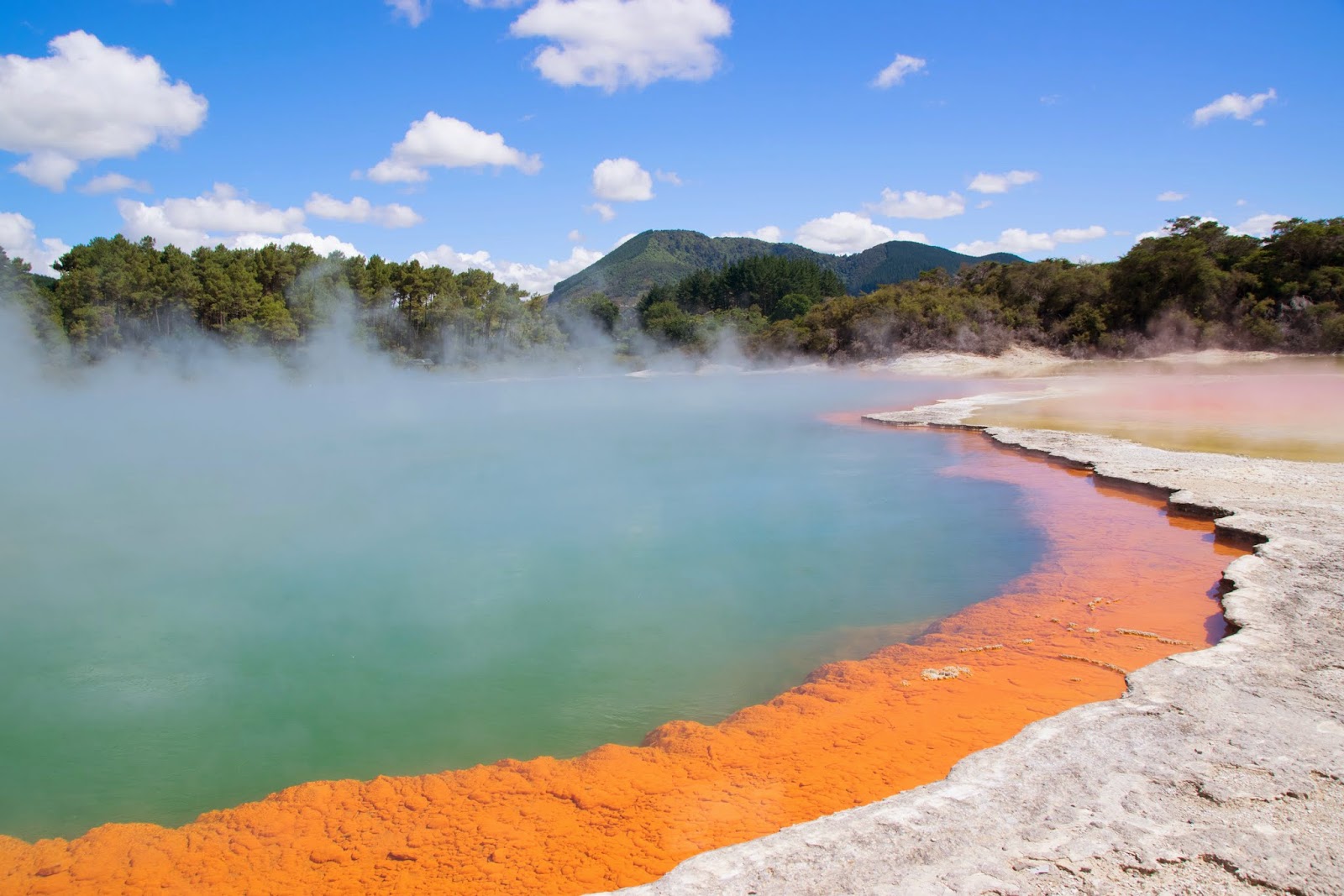
down to Rotorua and its surroundings- it’s definitely one of the craziest areas
we’ve been in- huge amount of volcanic activity below the surface of the town-
so much so that it seems that every person in the town has their own hot tub!
You can walk down some streets and see steam pluming out of the open sewers.
Walk through the parks and there are lots of similar activity as well as pools
of bubbling mud and geysers. It’s the normality of it that just seems crazy.
The locals just accept that they live on top of this endless natural supply of
very hot water! They’ve also clearly become very accustomed to the smell generated
by the sulphur that surrounds the entire town. I haven’t come across such a
smell of rotten eggs since I shared a bedroom with three of my brothers. The
place reeks! The big decision at night is whether to open the window to cool
the room but at the same time let the smell in- tough call.
After that, we headed
down to Rotorua and its surroundings- it’s definitely one of the craziest areas
we’ve been in- huge amount of volcanic activity below the surface of the town-
so much so that it seems that every person in the town has their own hot tub!
You can walk down some streets and see steam pluming out of the open sewers.
Walk through the parks and there are lots of similar activity as well as pools
of bubbling mud and geysers. It’s the normality of it that just seems crazy.
The locals just accept that they live on top of this endless natural supply of
very hot water! They’ve also clearly become very accustomed to the smell generated
by the sulphur that surrounds the entire town. I haven’t come across such a
smell of rotten eggs since I shared a bedroom with three of my brothers. The
place reeks! The big decision at night is whether to open the window to cool
the room but at the same time let the smell in- tough call.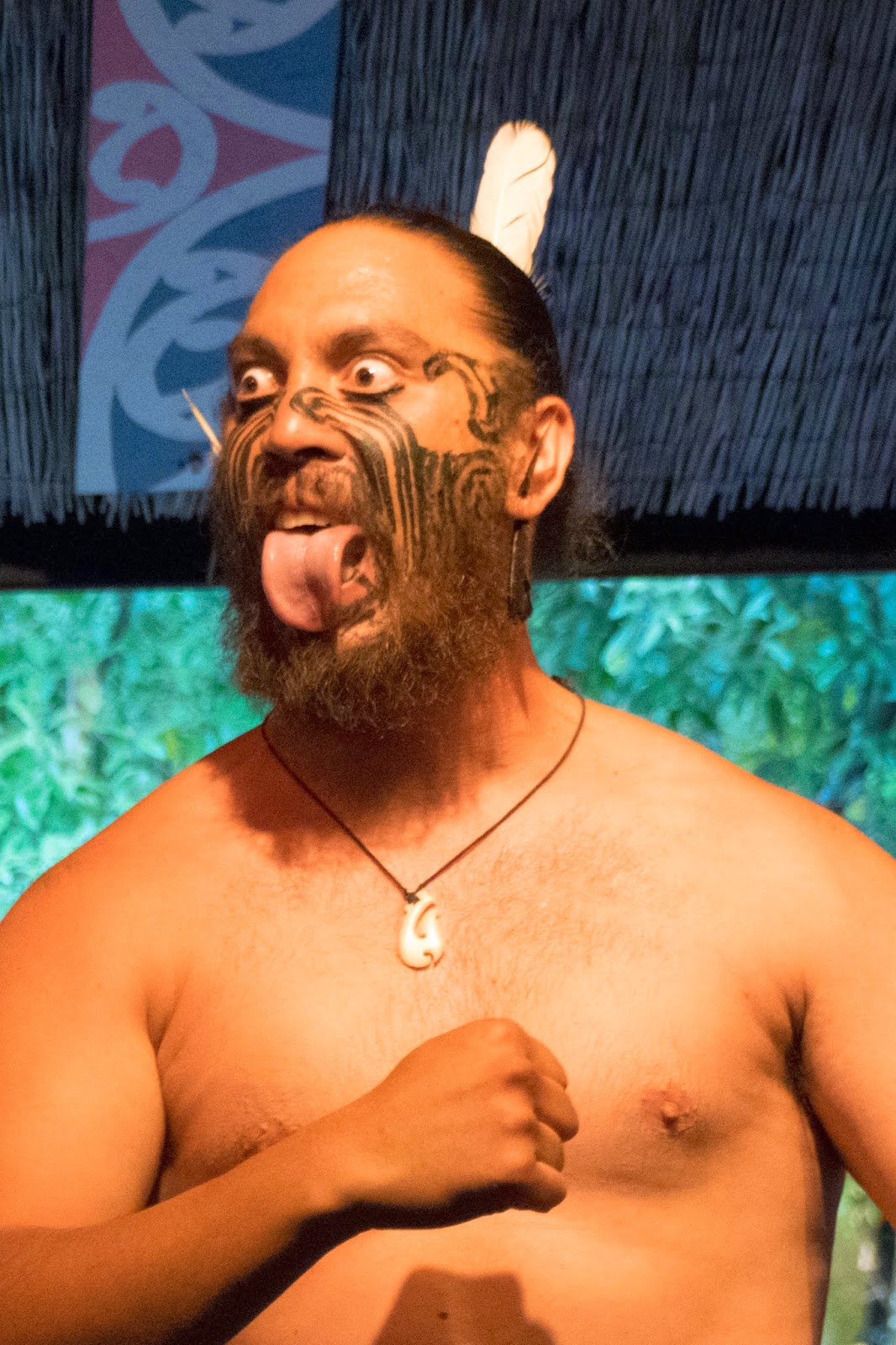 Just before we got to
Rotorua we went to another place with a wonderfully self-explanatory name- Hot
Water Beach. A tourism industry has been born there based on a 100m section of
the local beach where at low tide if you dig down (you can rent shovels there!)
hot water comes up and fills the pools. The temperature varies depending on
where on the beach you are but the temperature can get to over 60 degrees- not
boiling but you couldn’t put your foot into it, it’s so hot. Tourists get great
satisfaction in building their own little hot tubs! Good fun.
Just before we got to
Rotorua we went to another place with a wonderfully self-explanatory name- Hot
Water Beach. A tourism industry has been born there based on a 100m section of
the local beach where at low tide if you dig down (you can rent shovels there!)
hot water comes up and fills the pools. The temperature varies depending on
where on the beach you are but the temperature can get to over 60 degrees- not
boiling but you couldn’t put your foot into it, it’s so hot. Tourists get great
satisfaction in building their own little hot tubs! Good fun.
The next big volcanic
stop was to Wai-o-Tapu national park where you are able to see the full array
of volcanic activity- geyser explosion, steaming pools of water, the lingering
smell of sulphur, huge pools of bubbling mud, a lake of luminesce yellow water
due to sulphur. I’ve never seen anything like it.
That night in Rotorua,
we signed up to head to Tamaki for a Maori cultural experience. A great night,
really good fun and well done. They have an old Maori village built where they
show you a lot of the old traditions that they have- learning to do the haka
being the main one! I can only say that my regular dance abilities are just as
good as my traditional New Zealand dance abilities- you can interpret that
whatever way you want! They teach you a little bit of Maori too, the only
phrase that sticks with me as you see it written on posters around New Zealand
also is “Kia Ora” which is basically hello/ goodbye/ good wishes/ good health”.
Nice to know.
 I must say I’m
fascinated by Maori’s not just their history and the way they lived but also
the place they hold in New Zealand society. The Maori culture is front and
centre in not just New Zealand tourism but seems to held in quite high esteem
by New Zealanders in general. It makes for such a huge contrast when you look
across the Tasman at Australia’s relationship with the Aboriginals and how
little they have integrated and how they are effectively swept under the carpet.
Even the fact that the All Blacks do the
haka before matches is a sign of how integrated they are. The thought of an
Australian national team doing a song and a dance from the aboriginals is just
so far gone from reality its laughable. I am obviously simplifying it hugely
and it’s a major thing that goes back hundreds of years- to think that the
Maoris and “the Europeans” had a treaty signed in 1840, again contrasting that
with Australia where Aboriginals had the same rights as flora and fauna up
until 1967. Two countries so close to each other, both with indigenous
populations, two completely different histories.
I must say I’m
fascinated by Maori’s not just their history and the way they lived but also
the place they hold in New Zealand society. The Maori culture is front and
centre in not just New Zealand tourism but seems to held in quite high esteem
by New Zealanders in general. It makes for such a huge contrast when you look
across the Tasman at Australia’s relationship with the Aboriginals and how
little they have integrated and how they are effectively swept under the carpet.
Even the fact that the All Blacks do the
haka before matches is a sign of how integrated they are. The thought of an
Australian national team doing a song and a dance from the aboriginals is just
so far gone from reality its laughable. I am obviously simplifying it hugely
and it’s a major thing that goes back hundreds of years- to think that the
Maoris and “the Europeans” had a treaty signed in 1840, again contrasting that
with Australia where Aboriginals had the same rights as flora and fauna up
until 1967. Two countries so close to each other, both with indigenous
populations, two completely different histories.

The north island is beautiful,
we loved it. The highlights for us were the geysers and other volcanic related
sites in Rotorua and the Maori experience. With regards to scenery, it’s a
hugely impressive island, maybe the most beautiful we’ve seen……… until you get
to the South island!
Our first indication
that the South was a beautiful place was actually on the ferry crossing. With
our car safely tucked away below deck, we had three hours to marvel at the
views. This isn’t a regular ferry crossing as land is in sight the whole time
and it spends at least half of the journey navigating down through a channel
where you’re surrounded by rolling hills, beautiful blue water and loads of
small islands. Photos, photos and more photos! It’s breathtaking, a highly
recommended ferry crossing.

As you may have
gathered, we’re not just about scenery and sites, we like to have fun too! And
so we headed to Renwick which just happens to be in the middle of the
Marlborough wine valley- who knew!? “When in Rome” they say! So the next
morning we set out to explore some of the local sites, most of which reside
inside nicely chilled bottles! Just to add another twist to the event, our tour
was done on bikes. Unlike Yarra Valley which we were big fans of visiting when
living in Melbourne, it is very flat which makes navigating between the
wineries nice and easy. It’s a great way to spend a day and to confirm what
we’d suspected for quite a while, New Zealand make some very good white wines!

And the next morning, fresh as daisies, we headed to Takaka, which was our base for the next few days for our hiking in Abel Tasman National Park. As you can imagine, the national park is absolutely massive so there’s a huge choice of things to do. We decided on a hike from Marahau to Totaranui, 42km long split over two days. To do this we needed to avail of some public transport which in this case was a boat to drop us into the middle of the park so we could walk back to the car park on the two days. no cars allowed in the park so the boat
is the only way to do it. A novel way to start the days walking. They are great
walking trails there bringing you up through the forests, down through bays and
beaches and various places in between. Spectacular scenery surrounded us, all
helped by lovely blue skies. We try to say that we can’t let the weather affect
our trip but having those blue skies sure helps the photos! So after two long
days, we were tired but delighted with ourselves. The few days were definitely
one of the highlights of our time in New Zealand.

Takaka (our base for the
walk) is a funny little town, not much to it but the thing that you can’t miss
about it is that it’s full of hippies!
As to why they were all there still isn’t very clear to us- presumably
they were all trying to “find themselves”. The funny thing is that I’m pretty
sure these are the people that my father in law thinks we’re hanging out with! Just
to confirm Jimmy, these are not the people we have been spending our time with
and have no current plans to go live on a commune and spend our days singing
“kum by yah”! Our first night we were in the supermarket and the place was full
of them, there must have been a sale on lentils, we could barely get down the
aisles of the store. My wife observed that a certain aisle was very quiet with
nobody there- what aisle you ask? Shampoo and washing products of course- not a
sinner there, you couldn’t make it up!
They seem like an
amiable enough bunch, just a wee bit weird for our tastes. But if any of those
photographed are reading this blog then seriously I love your style!

Our next stop was a last
minute decision for us to head West towards Glacier country and do a heli hike-
for the uninitiated, that is a helicopter ride halfway up the glacier and then
a hike around it to see the ice features such as caves, arches and to generally
get a feel for the scale of the glacier. We initially hadn’t planned to go
there and instead had penciled in to go see glaciers in Chilean Patagonia
instead. However, after consulting a map and realising that Chile is over 4,300
km long, we decided to go with the more conveniently located New Zealand
glaciers instead. Lo Siento, Chile.
The day out was hugely impressive. The glaciers are amazing to see and definitely worth the trip. Amazing to see all the little features and to stand on them and get an idea of the pure scale of them. Epic.

We’re told that a few years ago, a helicopter ride was unnecessary to see the glaciers but they have receded so much in that last few years that a regular hike at the bottom is distinctly unimpressive. Our guide told us that they have pretty much stopped
those tours fully as interest as waned completely on them. The heli hike tours
are still very much in demand but it will be interesting to see for how many
more years. I say this as you can clearly see how much the glaciers have
receded in the last few years, by the growth of vegetation on the mountain side
and judging by the huge level of water pouring off them each day in the form of
waterfalls, its very easy to see that they are only going one way. So to any
shareholders in the Fox Glacier Heli Hike company I’d be trying to sell my
shares in the next few years before you’re left giving tours over a former
glacier valley that now has a lake at the bottom instead. And who says global
warming doesn’t exist?!
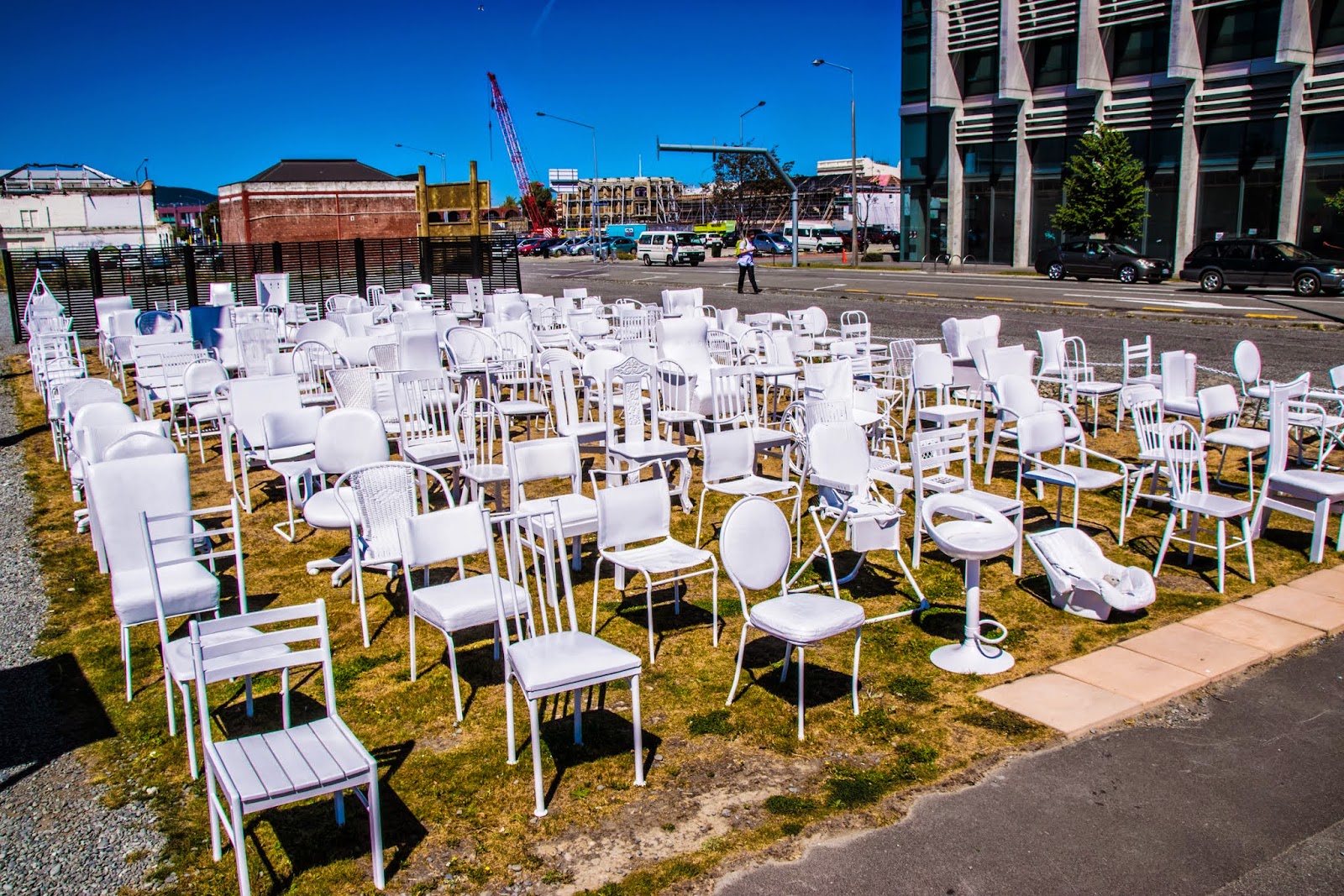
Christchurch, our next
port of call has only been reopened for business since June 2013. The city
centre earthquake in 2011 that killed 185 people absolutely decimated the city-
incredible to walk through the city and see so much empty space where buildings
have been leveled and so many more are held up by steel supports or stacks of
shipping containers. Christchurch life for the most part has migrated to the
suburbs away from the city centre. The main shopping mall is now housed in a
bunch of shipping containers and worst of all since the big earthquake in 2011,
they’ve had over 13,000 earthquakes since- the majority being tiny or far below
the surface of the city but it’s still an earthquake. Crazy to think they could
rebuild everything and have it all ripped apart again without warning.
Obviously that sort of positivity isn’t on the tourism material and certainly
the locals seem to be just getting on with life and the task at hand of rebuilding
the city. Great to see.

If planning a trip, it’s
always nice to plan it so you’re getting to see better and better things along
the way rather than seeing the highlight in the first few days and then pale
imitations after that. By luck more then anything else, we went North to South
which was great, by the same reasoning, it was lucky that we left Queenstown to
last as it’s definitely the best of the cities in New Zealand. A great place to
chill out, situated on the water surrounded by spectacular mountain ranges on
all sides. If chilling out is not your thing and your funds allow it then the
Kiwis will be only too eager to inject you with adrenaline in a myriad of
different ways- bungee jumping, skydives, paragliding, speedboating, ziplining,
luge racing. Anything you can think of, they do it here- the world leader for
“Extreme” sports. We got our “fix” through zip lining and luge go-karting, less
extreme then lots of activities but a lot of fun and much more economical! You
can’t do everything.

All in all, our odometer
ticked over 4,700 km in our rental car- thankfully we had selected unlimited
km’s for the rental! A huge distance but spread over a month and split between
two drivers was very doable. I have the trucker hat now, so I just need a singlet
and I’ll be all set for a change in career. It’s a testament to how much there
is to see here and what we really loved about it is that when travelling
between two places oftentimes we found that the scenery on the drives was as
jaw dropping as the actual end destination. It’s a stunning country, as
beautiful a place as I’ve seen and with that recommendation it’s time to close
another chapter, hop on a flight, brush up on our Spanish and head to South
America. Next stop Santiago. See you there.
Our route:
North Island- Fly to Auckland, drive to Paihia (day trip
around Bay of Islands and to Cape Reinga), Hot water beach, Rotorua, Lake
Taupo, Wellington, ferry to Picton
South Island- Arrive in Picton by ferry from Wellington, Renwick,
Takaka (day trips to Abel Tasman national park and Golden Bay), Franz Josef
(day trip to Fox Glacier), Christchurch, Wanaka, Queenstown, fly to Santiago